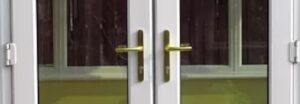
Modern Door Handle Repair: A Comprehensive Guide
Door handles, while apparently trivial components of our homes, play an important function in security and accessibility. Gradually, however, these handles may fail due to day-to-day wear and tear, leading to functional problems or aesthetic concerns. Whether you're handling a loose handle, a broken mechanism, or unattractive scratches, understanding modern door handle repair can conserve you cash and time. This post acts as a detailed guide to assist homeowners embark on this simple task.
Understanding the Components of a Door Handle
Before diving into the repair procedure, it's vital to determine the parts of a modern door handle. This understanding aids in troubleshooting the problem and allows efficient repairs.
- Handle: The part you pull to open or close the door.
- Lever or Knob: Attached to the handle, this component enables for easier gripping.
- Spindle: A rod that connects the outside handle to the within mechanism.
- Escutcheon Plate: The ornamental cover that hides the mounting hardware.
- Lock Mechanism: This part is accountable for securing the door in place.
- Screws: These safe all parts together and attach them to the door.
Common Door Handle Problems
Door handles can deal with different issues that need attention. Below are some of the most common problems:
- Loose Handle: This is typically caused by loose screws or worn-out internal elements.
- Sticking or Jamming: Commonly develops from dirt and debris accumulation or a misaligned strike plate.
- Broken Latch: This might take place due to forceful use or deterioration of the mechanism.
- Worn Out Finish: Exposure to aspects can lead to tainting, scratches, or faded finishes.
Tools Required for Door Handle Repair
Before beginning any repair, gather these vital tools:
- Screwdriver (Phillips and flathead)
- Allen wrenches (if suitable)
- Lubricant (silicone spray or graphite powder)
- Cleaning materials (soft fabric, soapy water)
- Replacement parts (if required)
- Pliers
With these tools put together, property owners can confidently approach various repair tasks.
Step-by-Step Guide to Repairing Common Door Handle Issues
1. Repairing a Loose Handle
Step 1: Inspect the HandleBegin by examining if the handle is loose or misaligned. Try to find visible screws or fasteners that might need tightening.
Step 2: Tighten the ScrewsUtilizing the proper screwdriver, thoroughly tighten up the screws that protect the handle. Be mindful not to overtighten, as this may cause stripping the screw holes.
Action 3: Reassemble if NecessaryIf your handle is still loose, dismantle it and check the spindle and the latch mechanism for wear. Replace any broken parts if needed.
2. Fixing a Sticking or Jammed Handle
Step 1: Clean the HandleUtilize a soft cloth dampened with soapy water to clean up around the handle and lock location, removing any dirt or particles that might be causing friction.
Action 2: Lubricate the MechanismApply silicone spray or graphite powder into the lock and the spindle locations. This lubrication can help smooth the handle's operation.
Action 3: Adjust the Strike PlateIf the handle is still sticking, check the alignment of the strike plate. Loosen up the screws and reposition, then retighten.
3. Changing a Broken Latch
Action 1: Remove the HandleUsing a screwdriver, take out the screws protecting the handle. Carefully pull the handle away from the door.
Step 2: Extract the Old LatchLocate the latch mechanism inside the door. Unscrew it and eliminate it from the door.
Action 3: Install the New LatchSet up the brand-new latch by reversing the removal process. As soon as professional door handle repair -new lock is strongly in place, reattach the handle.
4. Restoring a Worn Out Finish
Step 1: Clean the SurfaceUtilize a soft cloth to clean the handle, making sure dust and gunk are removed.
Action 2: Use Metal PolishFor metal surfaces, use a metal polish specifically created for the product of your handle (e.g., brass, chrome). Follow the maker's directions for best results.
Step 3: Paint or Refinish if NeededIf the damage is substantial, consider repainting or refinishing the handle. This may include sanding down the old finish and applying a brand-new coat.
Frequently Asked Questions About Modern Door Handle Repair
Q1: How often should door handles be maintained?
A1: Regular maintenance, including cleansing and lubrication, need to be carried out every few months to make sure optimal operation.
Q2: Do I need to buy a brand-new handle if it's loose?
A2: Not necessarily. Numerous issues connected to loose handles can be dealt with by tightening screws or repairing internal systems.
Q3: What should I do if my handle needs replacement?
A3: Visit a hardware store or search online for the very same design or a compatible replacement. Follow the producer's directions for installation.
Q4: Can I repair a door handle without professional help?
A4: Yes, most common issues can be fixed with fundamental tools and a bit of persistence. However, for complex problems or special door systems, think about employing a professional.
Q5: What is the average expense of repairing a door handle?
A5: The cost can differ considerably based on the problem and whether parts require replacement. Basic repairs can vary from ₤ 5 to ₤ 30, while a full replacement can cost anywhere from ₤ 20 to ₤ 100 or more.
Modern door handle repair is available to anybody ready to invest time and a little effort into keeping their home. By comprehending the elements and common problems associated with door handles, house owners can fix and efficiently repair issues that emerge in time. Routine maintenance guarantees that these small however essential aspects of home security and functionality work efficiently for several years to come. If problems continue, do not be reluctant to seek advice from a professional for help.